


Protecting Our Waters: SUP, Water Sports and the Fight Against Invasive Species in the UK
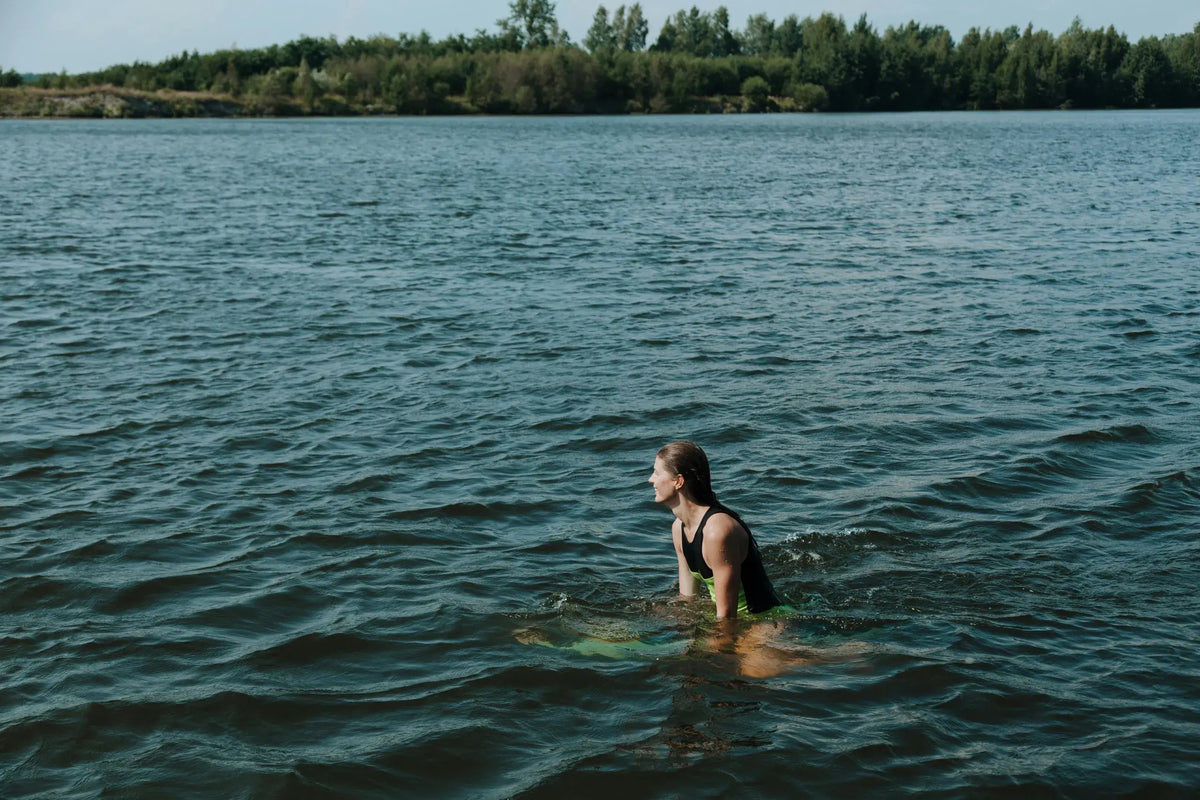
When summer arrives, British rivers, canals and coastlines come alive with paddle-powered adventure. Stand-up paddleboarding (SUP) has exploded in popularity because it's easy to learn and accessible to all ages. Paddlers can explore secluded creeks, surf gentle waves or do yoga on tranquil lakes while experiencing nature up close. Yet this intimacy with the environment also carries a responsibility: every time we launch or land a board, we risk transporting invasive species to new waters. Hidden in a wetsuit fold or clinging to a paddle shaft, tiny organisms can hitchhike between rivers, lakes and estuaries and devastate ecosystems.
Why invasive species are such a big deal
The UK has more than 2,000 plants and animals that were introduced from abroad defraenvironment.blog.gov.uk. Most are harmless, but around 10-15% become invasive non-native species (INNS) that spread rapidly and damage ecosystems, economies and even human health defraenvironment.blog.gov.uk. Invasive species are now one of the top five drivers of global biodiversity loss and contribute to about 60% of plant and animal extinctions defraenvironment.blog.gov.uk. The economic toll is staggering: they cost the British economy almost £2billion a year with the clogging of water pipes by zebra mussels alone costing the water industry over £550,000 annually york.ac.uk.
Freshwater and marine invaders often arrive attached to boats, boards or clothing. A study of more than 1,500 UK water-sports enthusiasts found that 64% of anglers and 79% of canoeists used their equipment in more than one waterway within just twoweeks york.ac.uk. Shockingly, 12% of anglers and 50% of canoeists didn't clean or dry their kit before moving on york.ac.uk. The research revealed that killer shrimp can survive for about 15days inside a damp wetsuit and then “take bites out of things and leave them uneaten,” depleting food stocks and replacing native shrimp leeds.ac.uk. Some invasive viruses and diseases can survive over a month on damp equipment york.ac.uk. Once these species establish, they are extremely difficult and expensive to eradicate nonnativespecies.org.
Meet the hitchhikers
Freshwater invaders
- Killer shrimp (Dikerogammarusvillosus): These predators eat native shrimp and even fish eggs, altering entire food webs nonnativespecies.org. They have distinctive cone-shaped bumps on their tails and can grow up to 30mm long paddlescotland.org.uk. Because they are larger and often striped, they're easy to confuse with harmless native species.
- Zebra mussels (Dreissenapolymorpha): Small (usually 30mm long) but tenacious, zebra mussels have light and dark bands that give their shells a ‘D' shape paddlescotland.org.uk. They smother native species and clog pipes, lock gates and boat hulls nonnativespecies.org.
- Quagga mussels (Dreissenarostriformis): These relatives of the zebra mussel were first recorded in West London in 2014. They can live in habitats that zebra mussels can't and may out-compete them; the shells are more rounded and roll to one side when placed on their front nonnativespecies.org.
- Floating pennywort (Hydrocotyleranunculoides): This fast-growing aquatic plant produces shiny, kidney-shaped leaves and can grow up to 20cm per day, blocking light and reducing oxygen for other plants and animals paddlescotland.org.uk. It restricts navigation and can increase flood risk thegreenblue.org.uk.
- Water primrose (Ludwigiagrandiflora): An invasive freshwater weed from SouthAmerica, water primrose has five bright yellow petals and thick, fleshy stems. It has only recently appeared in Britain but could cost £242million to manage if it becomes widespread paddlescotland.org.uknonnativespecies.org.
- Signal crayfish (Pacifastacusleniusculus): Introduced for food, these large crustaceans (up to 16-18cm long) out-compete native white-clawed crayfish, prey on fish eggs and burrow into riverbanks, causing erosion and infrastructure damage paddlescotland.org.uk.
Marine and coastal invaders
- Wire weed (Sargassum muticum) and Wakame seaweed: Originally from Japan, these seaweeds grow rapidly on hard surfaces; wire weed can grow 10cm a day and forms dense mats that block light thegreenblue.org.uk.
- Carpet sea squirt (Didemnumvexillum): A marine filter-feeder that forms large colonies and smothers local marine life paddlescotland.org.uk. Once established, it can cover seabed habitats and threaten shellfish industries.
- Pacific oyster (Magallanagigas): More irregularly shaped than native oysters, they can alter ecosystems and dominate intertidal zones thegreenblue.org.uk.
- Chinese mitten crab (Eriocheirsinensis): These burrowing crabs start life in estuaries then move upstream, where their burrows erode riverbanks and increase flood riskt hegreenblue.org.uk.
How to stop the spread
Preventing new introductions is far cheaper than eradicating established invaders. Fortunately, there's an easy three-step routine that paddlers can adopt. Known as Check, Clean, Dry, it's the cornerstone of national biosecurity campaigns york.ac.ukinvasivespeciesni.co.uk.
- Check: After leaving the water, inspect boards, paddles, wetsuits and footwear for any plant fragments, mud or animals. Remove anything you find and leave it at the site nonnativespecies.org.
- Clean: Wash all equipment as soon as possible, paying particular attention to seams, fin boxes and inside inflatable chambers. Use hot water if available nonnativespecies.org. Research shows that some INNS survive over two weeks in damp conditions invasivespeciesni.co.uk.
- Dry: Drain and thoroughly dry boards and gear, especially inflatable SUPs that are folded up nonnativespecies.org. Drying for as long as possible reduces survival of hitchhikers.
This routine doesn't just apply to freshwater paddling. Coastal SUP-ers and surfers should also follow it; in many cases invasive seaweeds and tunicates hitchhike on boards, leashes or wetsuits thegreenblue.org.uk. If you travel overseas, be even more vigilant: clean and dry equipment before returning home to avoid bringing back foreignspecies invasivespeciesni.co.uk.
Why a portable shower is a paddler's ally
The biggest barrier to good biosecurity is convenience. After a long paddle, many people throw kit into the car and head home. Portable wash systems can make it easy to remove invasive hitchhikers on the spot. NewFlow's pressurised portable shower is designed with paddlers in mind. The 8litre unit provides a powerful spray using only manual pumping; there are no batteries, no electrics and no plumbing new-flow.co.uk. Simply fill it with tap or river water, pump a few times and rinse boards, paddles and wetsuits at the waterside. The multi-mode nozzle lets you switch from a fine mist for wetsuits to a stronger jet for flushing fin boxes and board seams new-flow.co.uk. Its insulated neoprene sleeve keeps warm water warm, so you can blast stubborn mud and algae without freezing your hands new-flow.co.uk.
Because NewFlow is lightweight and compact, it fits easily into a van or boot. With an 8 litre capacity and hand-pump pressure, it delivers enough water to rinse a SUP board and gear before you pack up new-flow.co.uk. For eco-conscious paddlers, it's a sustainable way to protect the places we love without relying on single-use wipes or chemical cleaners.
A call to paddle responsibly
Paddling on Britain's blue spaces connects us with nature, relieves stress and builds community. With that privilege comes a duty to protect these environments. By learning to identify invaders, following the Check-Clean-Dry protocol and using tools like NewFlow's portable shower to wash down equipment, we can slow the spread of invasive species and keep our rivers, lakes and coastlines thriving. If each of the UK's 400,000 plus paddlers adopted this routine, the cumulative impact would be enormous york.ac.uk. Next time you head out with your board, remember: a quick rinse today helps ensure pristine waters tomorrow.
Footnotes
- Invasive species threaten UK ecosystems and cost the economy nearly £2 billion annually defraenvironment.blog.gov.uk.
- Research shows 64% of anglers and 79% of canoeists move between waterways within two weeks, and many don't clean kit york.ac.uk.
- Killer shrimp, zebra and quagga mussels, floating pennywort, water primrose and signal crayfish are among the freshwater invaders listed by the Non-Native Species Secretariat nonnativespecies.orgpaddlescotland.org.ukpaddlescotland.org.uk.
- Marine invaders include wire weed, wakame seaweed, carpet sea squirt, Pacific oysters and Chinese mitten crab thegreenblue.org.ukthegreenblue.org.uk.
- The Check-Clean-Dry routine advises paddlers to inspect gear, clean thoroughly (preferably with hot water) and dry completely before using elsewhere nonnativespecies.orginvasivespeciesni.co.uk.
- NewFlow's portable shower is a pressurised, hand-pumped wash system that allows paddlers to rinse boards and gear at the water's edge without electricity new-flow.co.uk.



%20has%20exploded%20in%20popularity%20because%20it's%20easy%20to%20learn%20and%20accessi...)