Dry Bag vs Changing Bag: Which One Do You Need?
Dry Bag vs Changing Bag: Which One Do You Need?
Somewhere between planning a swim and standing dripping beside the car, most outdoor swimmers, surfers and paddlers ask the same kit question: do I need a dry bag or a changing bag, and honestly, what's the difference? The short answer is that they're the same technology pointed in opposite directions, and which you need depends entirely on which side of the water your problem lives.
 Two jobs, one problem: water in the wrong place
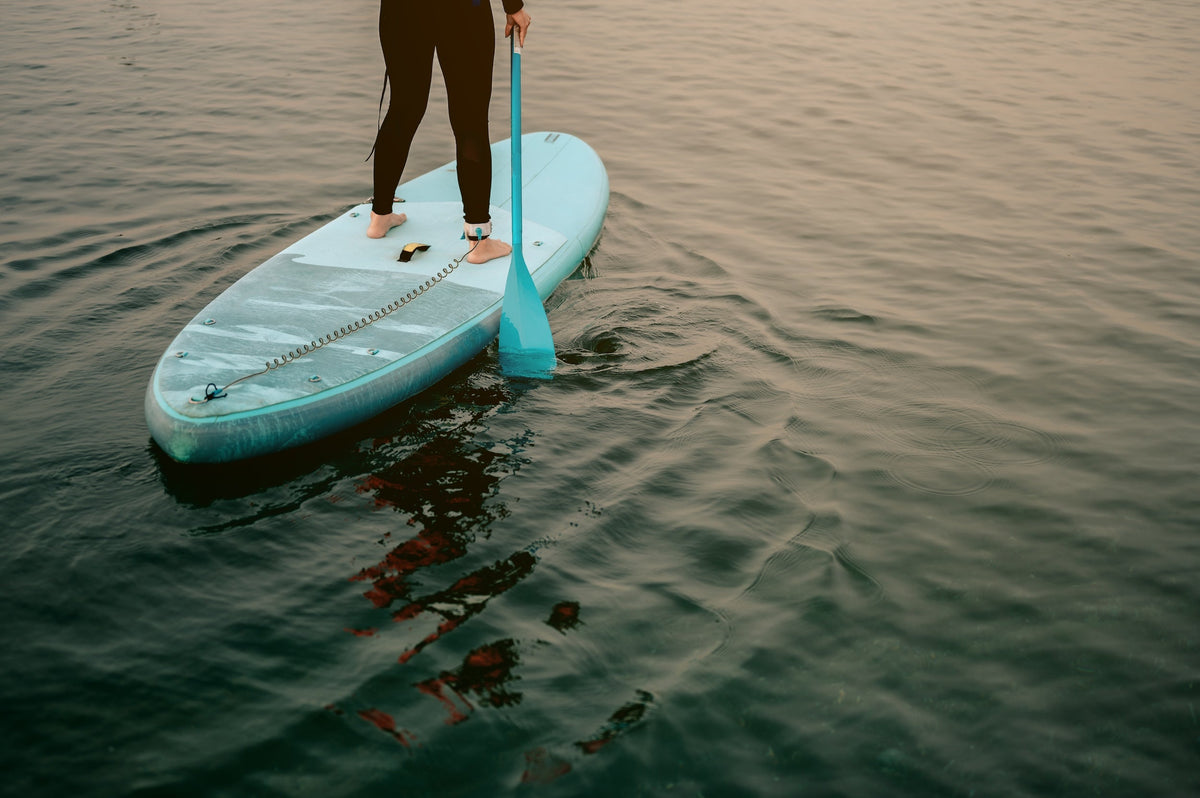
A dry bag's job is keeping water out. Waterproof fabric, welded seams, a roll top that seals with three tight folds. It protects dry things in wet places: your spare clothes in the rain, your phone on a paddleboard, your down jacket in a leaky tent. Its finest hour is before and during the adventure.
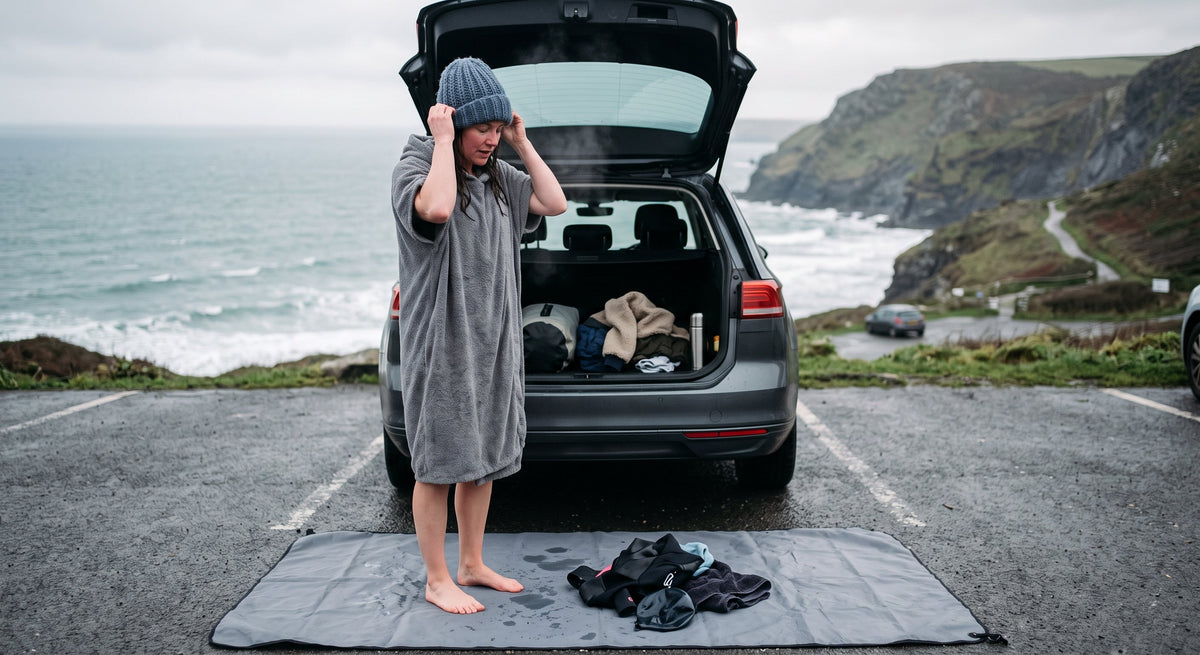
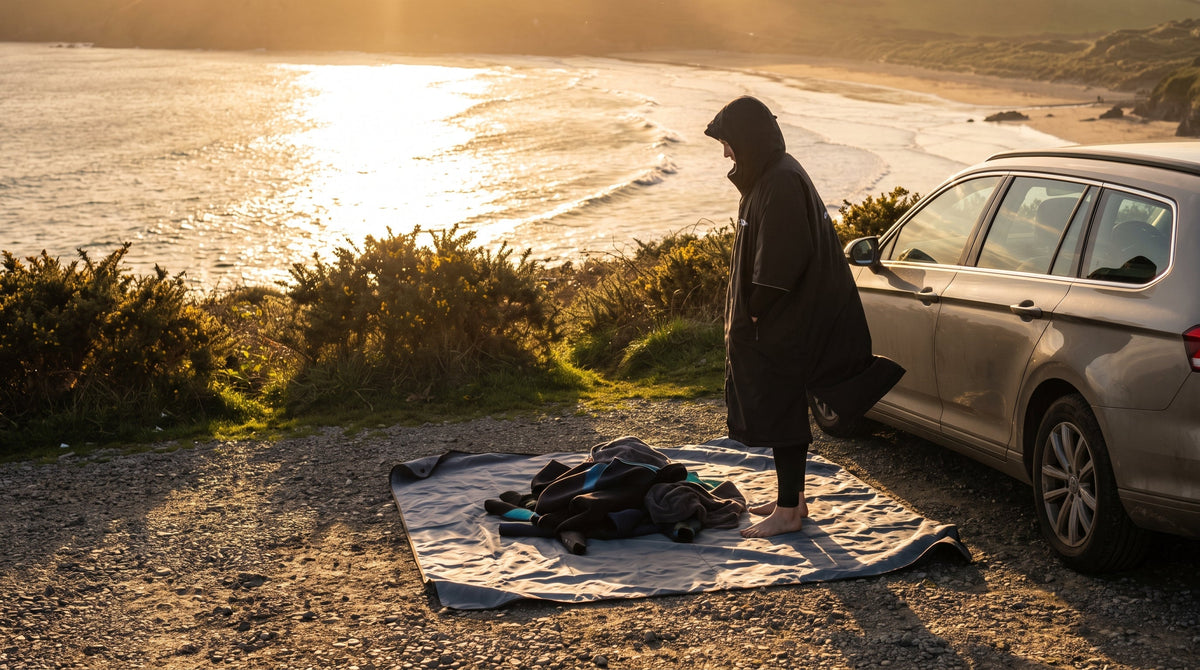
A changing bag's job is the opposite: keeping water in. Its finest hour is afterwards, when the adventure is over and four kilos of soaked neoprene needs to get home without redecorating the car. And a proper changing bag adds the third job that towel dancers everywhere will appreciate: it opens out flat as a mat, so you change standing on something warm and clean instead of gravel, which experienced cold water swimmers treat as standard kit rather than luxury [1].
The pleasing secret is that waterproof fabric doesn't care which side the water is on. A well made roll top bag can do both jobs. What differs is the design emphasis: a pure dry bag optimises for light weight and strapping to things, a changing bag optimises for capacity, a wipeable interior and that fold flat mat.

Which one you actually need
You mainly need a dry bag if your kit gets wet on the way to the fun: paddlers strapping essentials to a deck, hikers in British weather, festival campers defending dry socks. Small sizes, sealed properly (the three fold technique is the whole skill), and honestly most people need a couple, not one; the sizing guide covers what fits in what.
You mainly need a changing bag if you get wet on purpose. Sea swimmers, surfers, dippers and anyone who ends their hobby soaked needs somewhere to stand, a fast route into warm layers [2], and containment for the aftermath. If your car boot has ever smelled of forgotten wetsuit, this is your category.

You need both if you're a paddler or a beach family, and here's the good news: you probably don't need two bags to have both.
The one bag answer
This is exactly why we built the Waterproof Beach Dry Bag & Changing Mat as one product: 40 litres of welded seam, 500D roll top dry bag that unclips to lie flat as a changing mat. Dry kit protected on the way out, warm feet while you change, wet kit sealed away on the way home, one thing to remember and one thing to rinse. It pairs with a warm rinse from the portable pressure shower as the complete post water routine, which is exactly the pairing in our Change Up bundle, and the two minute version of that routine is already written up. Smaller roll top dry bags are joining the range soon for the deck and rucksack jobs, so the two bag system can be all one brand and one habit.

The honest bottom line
If you only ever get rained on, a dry bag is enough. If you only ever get in the water, the changing bag side matters more. If you're anywhere in between, which is most of us who love British water, one well built bag that does both is the least kit for the most dryness, and the full cold water kit list around it lives in the Wild Swimmer's Kit List.
References
- 220 Triathlon, How to Warm Your Cold Body Up After Open Water Swimming: https://www.220triathlon.com/gear/swim/how-to-warm-your-cold-body-up-after-open-water-swimming
- RNLI, Top Tips for Open Water Swimming Beginners: https://rnli.org/water-safety/choose-your-activity/open-water-swimming/top-tips-open-water-swimming-for-beginners